Dehradun Master Plan 2041 What Property Buyers Must Know
On this page+
Dehradun Master Plan 2041 envisages the development of the city over the next fifteen years, and it decides where homes, shops and green belts can come up. For a property buyer, that matters more than any brochure, because the plan controls what you can build on a plot and whether its value will grow. If you buy land that goes against the plan, you might end up with property you can't use.
So this guide explains the plan in plain terms: how the land is zoned, what it means for you, and the one draft-stage catch that trips up buyers. Every figure here is drawn from the plan documents. Let us start with what the plan actually is.
Disclaimer: This is general information, not legal advice. The plan is a draft and zones can change, so confirm a plot's status with the MDDA and a local lawyer before you buy.
What Is the Dehradun Master Plan 2041?
It is the city's blueprint for growth. The Mussoorie Dehradun Development Authority, or MDDA, prepares the plan to guide where and how Dehradun expands up to the year 2041. It sets the land use for every parcel, the road network, and the rules a builder must follow.
The planning area covers about 378 square kilometres. Of this, roughly 178 square kilometres, close to 47%, is marked as developable, and the rest is held back as agricultural, special and protected land. So the plan both opens land for building and fences off the slopes and forests that make Dehradun what it is.
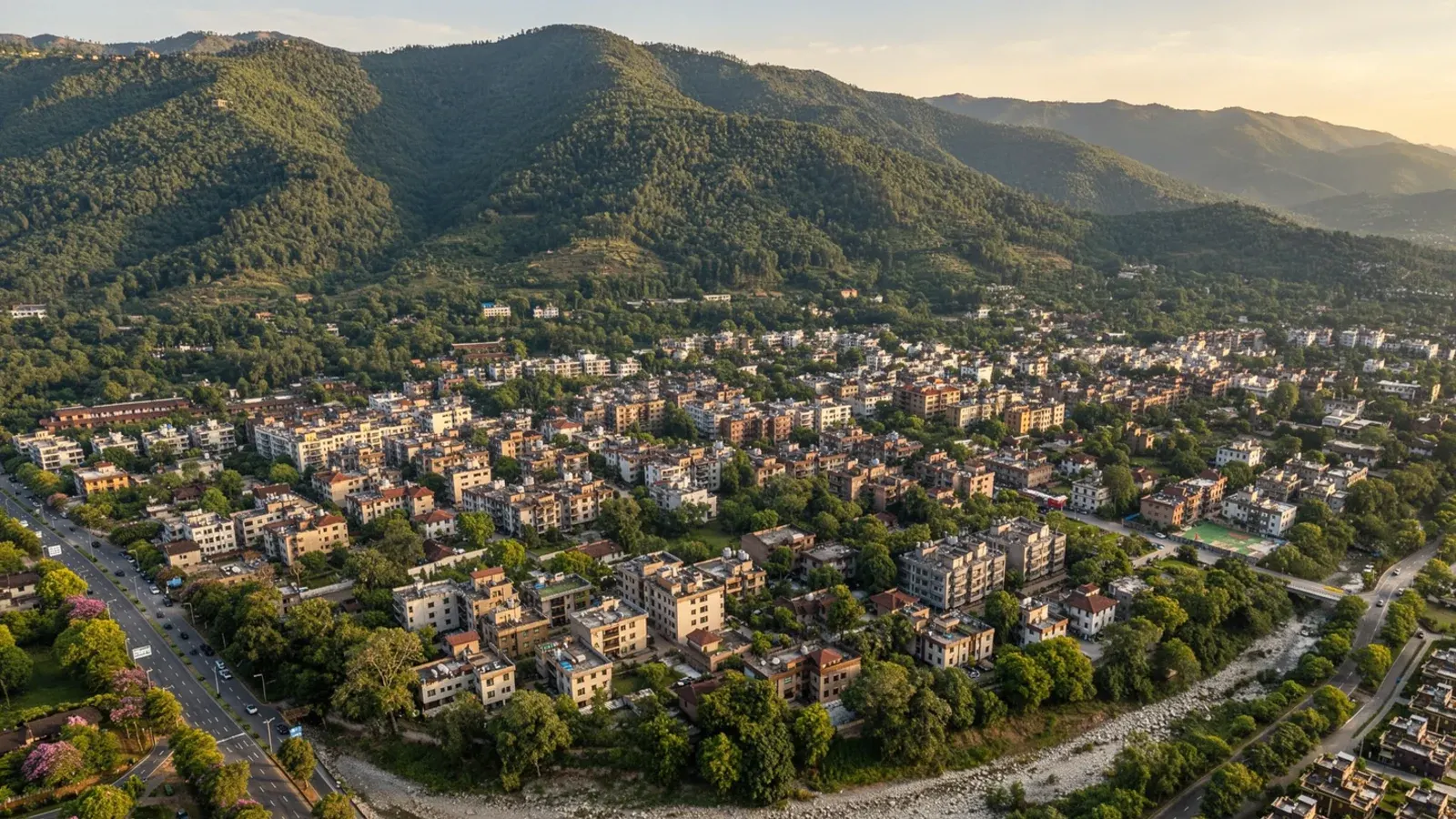
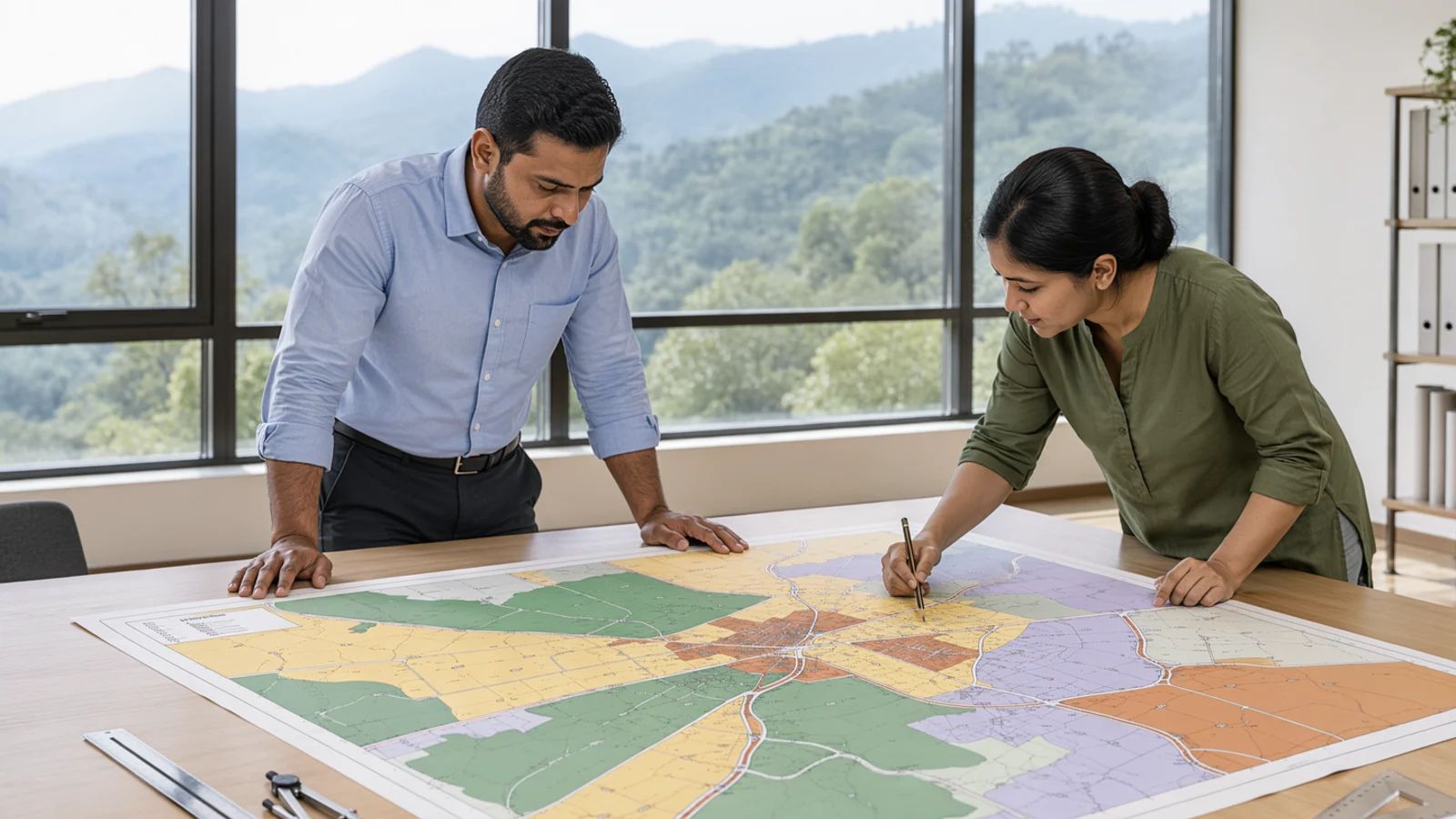
How Is the Land Zoned As Per Dehradun Master Plan 2041?
The plan sorts the developable land into uses, and residential dominates. Here is the split, going by the draft land-use table:
| Use | Share of developable land |
|---|---|
| Residential | about 57% |
| Transportation | about 12% |
| Mixed use | about 9% |
| Public and semi-public | about 9% |
| Recreation and green | about 6% |
| Commercial | about 4% |
| Industrial | about 1% |
| Tourism | under 1% |
So more than half the buildable land is set aside for homes, which is welcome news for a residential buyer.
The plan also steers growth away from the Shivalik hills and forests in the north, to protect the slopes. That is why the zone your plot falls in decides everything about its future.
What Does the Plan Mean for Property Buyers?
This is the core part of our conversation. The Dehradun Master Plan 2041 shapes your purchase in three ways.
- First, a plot zoned residential is a clean build, while one zoned agricultural, special or protected is not, and no brochure changes that.
- Second, the plan follows the new Delhi-Dehradun Expressway, so land along that corridor is set for strong demand.
- Third, the mixed-use and commercial pockets point to where rentals and shops will cluster.
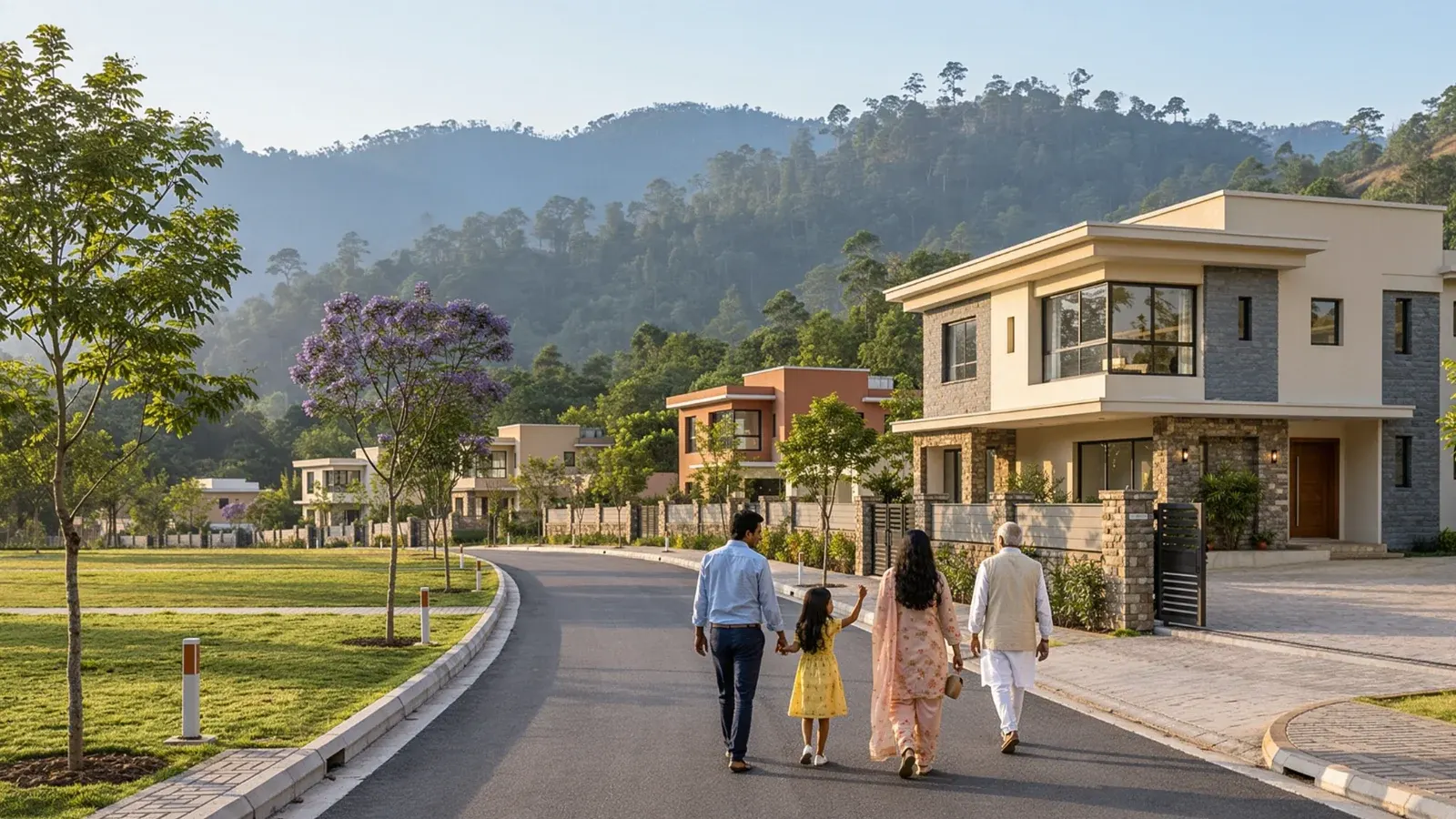
So the plan is a map of where value will grow and where it will not. A plot in a residential or mixed-use zone, on the expressway side, stands in the path of growth, while one in a protected or farm zone does not. Reading the zone before you pay is the whole game.
The Draft Warning Every Buyer Should Know
Here is the warning that saves money for property buyers like you.
As of now, the plan is still a draft, which means the zones, maps and shares can change before it is finally notified. So you cannot bank on a plot's future zoning from a draft map alone.
Do not buy land on the promise of a zoning that is not yet final. Under the development law, written permission from the MDDA is needed to build once an area is declared, so ask the authority which plan applies right now and what your plot is zoned under it. A seller's claim that land will "soon be residential" is not a basis to pay.
What to Check Before You Buy in Dehradun
A master plan is only half the check, so pair it with the plot's own papers. Run these before any booking amount leaves your hand:
- Zone status. Get the MDDA's written position on the plot's current zone and the plan edition that applies.
- Revenue record. Pull the Bhulekh khatauni and match the seller's name and the land type.
- Forest and slope. Ask the forest department about any forest tag, and check slope or flood risk on hill and riverbed plots.
- Acquisition lines. Confirm the plot is not inside a road-widening or expressway alignment.
Clear these, and you buy with the plan on your side rather than against it. A local lawyer reading the papers is the cheapest insurance in the deal.
Dehradun or the Hills: Where Should You Buy?
The plan makes Dehradun a strong bet for a city home near schools, offices and the airport. But for a buyer who wants a quiet second home rather than a city plot, the hills tell a different story, and they come with their own plans worth reading.
Our guide to the Nainital master plan covers that hill market, where Janjaes Infra builds its Privemont villas on clean, freehold land near Nainital and Jim Corbett. So weigh a Dehradun city plot against a ready hill villa by what you actually want: daily city life, or a weekend retreat that earns when you are away.
Frequently asked questions
What is the Dehradun Master Plan 2041?+
It is the MDDA's blueprint for how Dehradun grows up to 2041. It sets the land use, roads and building rules across a planning area of about 378 square kilometres, of which close to 47% is marked developable.
How is land zoned under the plan?+
About 57% of developable land is residential, with smaller shares for transport, mixed use, public use, recreation, commercial, industrial and tourism. The rest of the planning area is held as agricultural, special or protected land.
Is the Dehradun plan final yet?+
No, it is still a draft, so the zones and maps can change before it is notified. Do not rely on a draft map for a plot's future zoning, and confirm the current position with the MDDA.
What should I check before buying land in Dehradun?+
Get the MDDA's written zone position, pull the Bhulekh record, check for any forest tag, slope or flood risk, and confirm the plot is clear of road or expressway acquisition. Have a lawyer read the papers.
Which Dehradun areas will grow under the plan?+
Residential and mixed-use zones, especially along the new Delhi-Dehradun Expressway corridor, are set for strong demand. Protected, forest and farm zones are held back from building.