Deen Dayal Upadhyay Homestay Yojana Subsidy and Eligibility in Nainital
On this page+
You can get up to Rs 15 lakh subsidy under Uttarakhand's Deen Dayal Upadhyaya Grah Aawas (Home-Stay) Vikas Yojana. For a Nainital homestay, which lies in a hilly district, the support is at its highest, so a resident who sets up a homestay here can claim both a capital subsidy and years of interest relief on the loan.
This guide breaks down the scheme in plain terms: how much you get, who qualifies, and how to apply online. Because the rules are specific, every figure here is drawn from the official scheme and the state tourism policy. Let us start with what the scheme actually is.
This is general information, not legal or financial advice. Scheme terms are revised from time to time, so confirm the current figures with your District Tourism Office before you apply.
What Is the Deen Dayal Upadhyay Homestay Yojana?
The scheme is Uttarakhand's way of turning family homes into tourist stays. The Deen Dayal Upadhyay Homestay Yojana, launched in 2018 and expanded since, helps a resident build or upgrade a homestay with a government subsidy and cheaper credit. The aim is simple: spread tourism income to local families instead of only to large hotels.
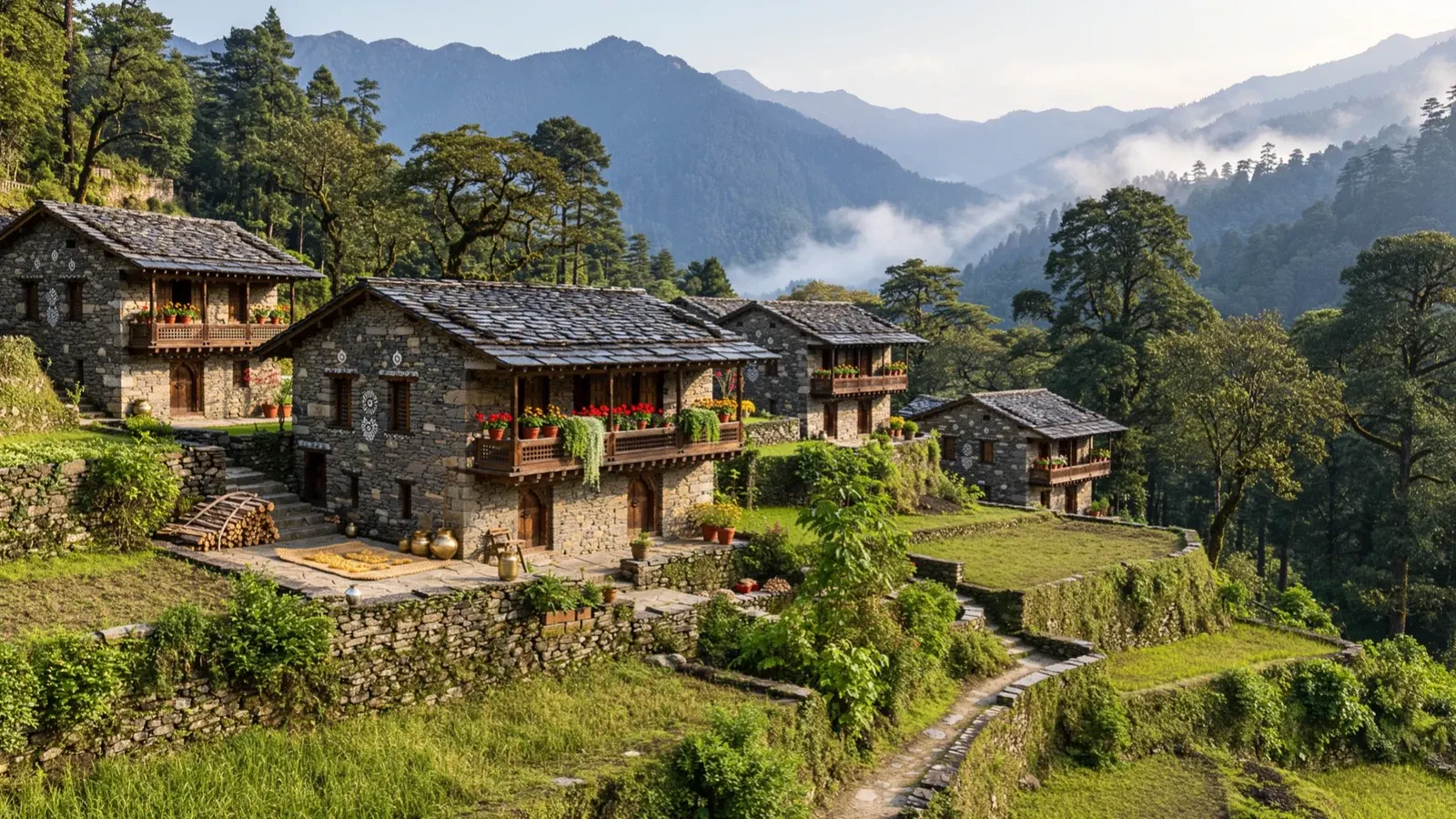
The scheme covers the whole state except the municipal areas, and it favours traditional, hill-style homes. So a family home in or around Nainital, outside the municipal limit, is exactly the kind of property it was built for. The real draw, though, is the money.
How Much Uttarakhand Homestay Subsidy Can You Get?
Here is the heart of it, and the number depends on where your home stands. Because Nainital is a hilly district, it gets the higher tier of the Uttarakhand homestay subsidy:
| Support | Hilly district (Nainital) | Plain district |
|---|---|---|
| Capital subsidy | 33% of cost, up to Rs 10 lakh | 25% of cost, up to Rs 7.5 lakh |
| Interest subsidy | 50% of interest, up to Rs 1.5 lakh a year for 5 years | up to Rs 1 lakh a year for 5 years |
So the headline "up to Rs 15 lakh" comes from adding the capital subsidy to the five years of interest relief.
On top of this, the scheme reimburses stamp duty on a business loan, refunds SGST on homestay income for the first three years, and adds a grant for doing up an old building. For a Nainital owner, that stack of benefits is what makes the scheme worth the paperwork.
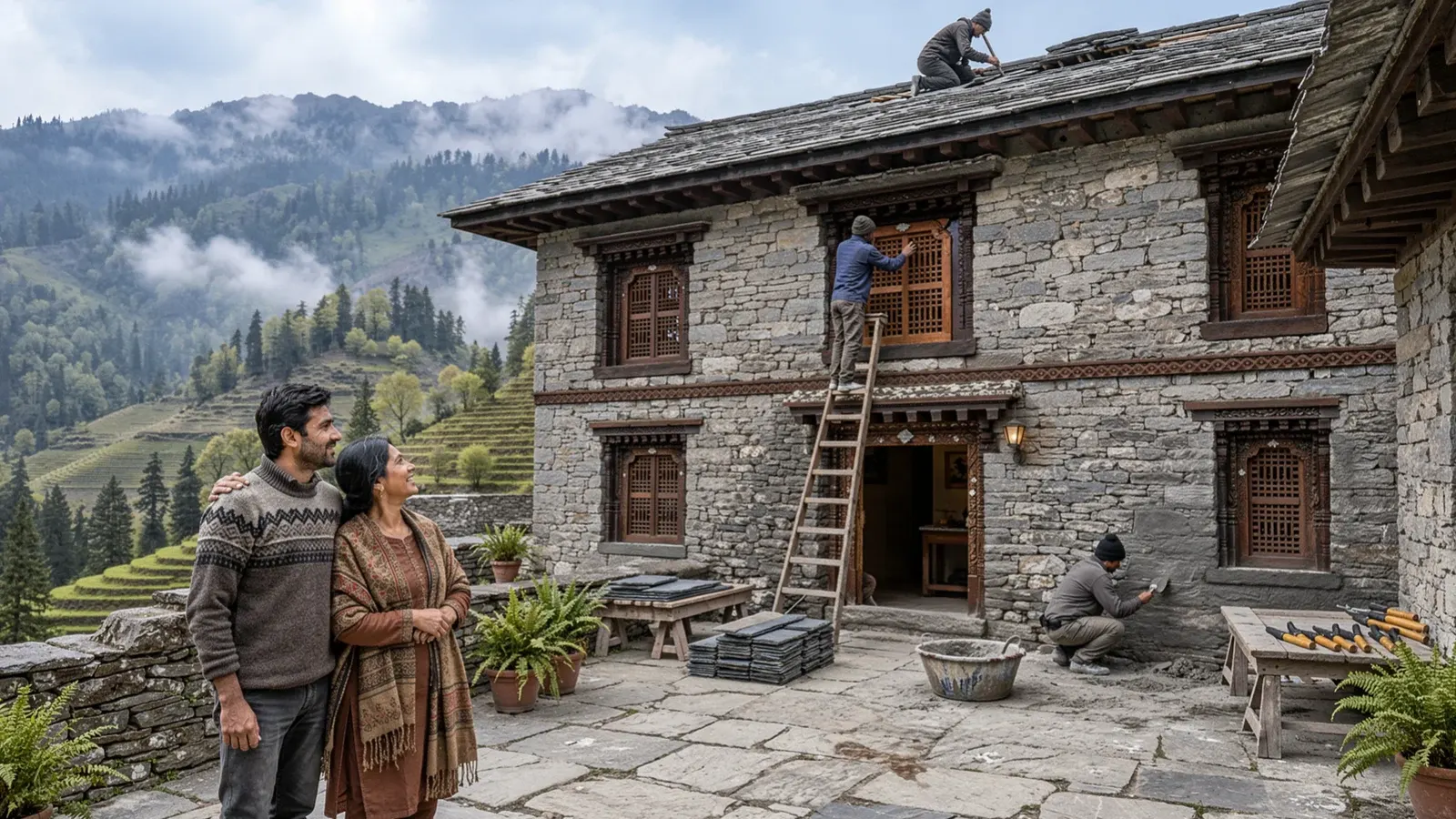
Who Qualifies for the Scheme?
The subsidy is for resident owner-run homestays, not investment rentals, so the eligibility is strict. You must tick each of these:
- Permanent resident of Uttarakhand, with a domicile certificate.
- You and your family live in the homestay, since the owner must stay on the premises.
- You own the land or building, or hold a close relative's land or a long lease under the 2021 amendment.
- You are not a loan defaulter with any bank.
- The homestay is registered under the state homestay rules.
So an outside investor who wants a caretaker to run a villa does not fit this scheme, because the rules bar purely investment or caretaker-run properties. The benefit is aimed squarely at a local family turning their own home into a stay.
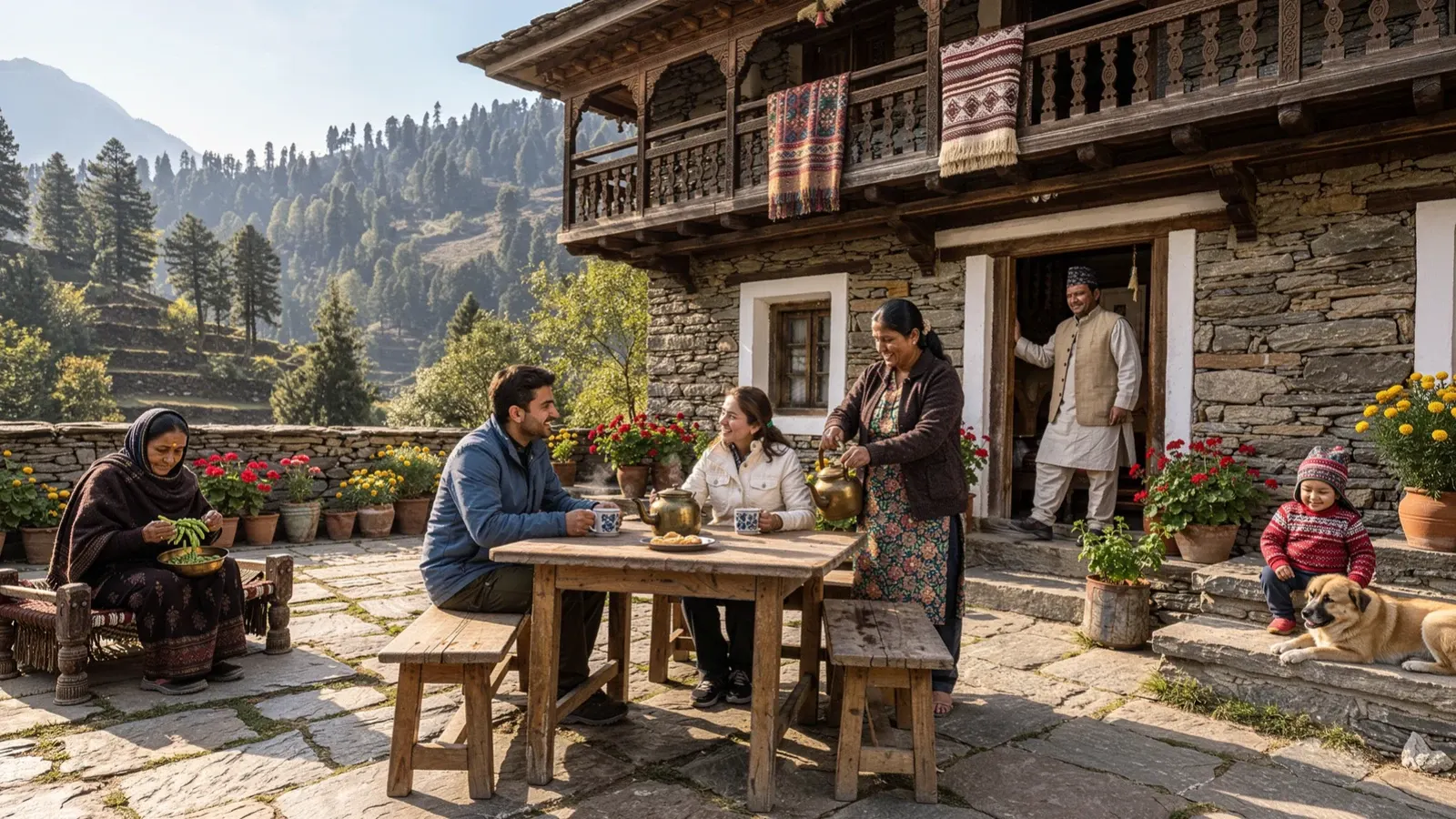
How to Register and Apply Online
The process has two parts, and you do both online. First you register the homestay, then you apply for the subsidy.
- Register the homestay. Homestay registration in Uttarakhand online runs through the tourism portal at homestay.uttarakhandtourism.gov.in, under the Tourism and Travel Business Registration Rules, 2026. Airbnb's own responsible hosting guide for India confirms that a host must register under these 2026 rules and display the UTDB certificate.
- Apply for the subsidy. Then apply for the scheme on the state self-employment portal at msy.uk.gov.in, verify your mobile number, fill the form and upload the documents.
Documents you need include your Uttarakhand domicile certificate, a project report or cost estimate, the approved building map, a bank consent or loan sanction letter, your land records such as the khatauni, and a photograph.
After you apply, officials verify the papers, a district committee reviews the case, and the bank releases the loan before the subsidy is paid. The full Uttarakhand homestay scheme pdf and the latest terms are published on the state tourism policy page, so read it before you file. Our guide to the homestay rules in Uttarakhand covers the registration side in detail.
A Ready Villa as a Homestay Base
If you already qualify as a resident and want a ready home to run as a homestay, a furnished villa saves you the build. The rooms and the clean title are in place, so you register and host rather than start from a plot.
Janjaes Infra builds furnished villas near Nainital and Jim Corbett on freehold residential land, which suits an eligible owner who wants a turnkey homestay base rather than a construction project. Our guide to a second home in the hills walks through what to weigh before you buy. Do confirm your own eligibility for the scheme, since the subsidy is tied to residence and owner-occupation, not to the property alone.
Frequently asked questions
What is the subsidy available for homestays in Uttarakhand?+
In a hilly district like Nainital, you get a capital subsidy of 33% of the cost, up to Rs 10 lakh, plus an interest subsidy of up to Rs 1.5 lakh a year for five years. Plain districts get 25%, up to Rs 7.5 lakh, with lower interest relief.
What are the rules for a homestay in Uttarakhand?+
The owner must live on the premises, the property must be registered under the 2026 tourism rules, and a homestay runs from 1 to 8 rooms. You must keep guest records, display the registration certificate, and meet the safety and tax rules.
Can I get a Mudra loan for a homestay?+
Yes, a homestay is a modest tourism business, so it can be funded through a Mudra loan from a bank as a micro-enterprise, subject to the bank's assessment. Check whether that loan also fits the scheme's interest-subsidy terms before you choose it.
What are the recent changes to homestay regulations in Uttarakhand?+
The Tourism and Travel Business Registration Rules, 2026, came into force on 5 June 2026 and replaced the older rules. Registration is now mandatory, rooms were raised to a limit of 8, and a UTDB certificate with a QR code must be displayed.
How many rooms are allowed in a homestay?+
Under the current 2026 rules, a homestay runs from 1 to 8 rooms, with up to 24 beds. A home with more than four rooms also needs fire-safety approval.